If you own a home on septic in Hernando County, the rules for repairing or replacing your system may not be the same as they were a few years ago. Parts of the county now fall under springs protection requirements that call for enhanced nitrogen-reducing septic systems instead of conventional ones. For homeowners in those areas, the difference between a routine repair and a major upgrade can come down to timing and location.
We install, repair and permit septic systems across Hernando County, so we field questions about these rules every week. This guide pulls together what the Florida Department of Environmental Protection (DEP) and the Florida Department of Health in Hernando County have published, and explains what it means for your property. Rules can change, so always confirm details for your specific address before you plan work.
Why The Rules Changed: Our Springs
Hernando County sits on top of the Floridan Aquifer, and our sandy, porous soils let water move quickly from the surface down into it. That same water feeds springs like Weeki Wachee, Chassahowitzka and Homosassa. Conventional septic systems are very good at removing bacteria, but as UF/IFAS Extension explains, they were designed to treat pathogens, not nutrients. Even a well-maintained conventional system releases nitrogen into the soil, and in the wrong place that nitrogen reaches the springs and fuels algae growth.
In 2016 the Florida Legislature passed the Florida Springs and Aquifer Protection Act and named 30 Outstanding Florida Springs for added protection, according to a DEP fact sheet. Each of those springs now has a Basin Management Action Plan, or BMAP, a long-term plan to reduce the pollution reaching it. Weeki Wachee, and the Chassahowitzka and Homosassa springs group, both have BMAPs that cover parts of Hernando County.
What A Priority Focus Area Is
Not every property in a springshed is treated the same. Within each BMAP, DEP has mapped Priority Focus Areas, or PFAs. DEP describes these as vulnerable areas where pollution sources pose the highest risk to the spring, generally because they are close to it and the soils are highly permeable. Most of the strictest septic requirements apply inside a PFA.
The December 15, 2025 Change For Repairs
This is the change that affects the most existing homeowners. According to a notice from the Florida Department of Health in Hernando County, septic repair or modification permit applications received on or after December 15, 2025, for properties in the Priority Focus Areas of the Weeki Wachee BMAP and the Homosassa and Chassahowitzka Springs Group BMAP, must comply with nitrogen-reducing requirements. The notice states this applies to repairs or modifications on all lot sizes. Applications received before that date were not subject to the new requirements.
Under DEP's guidance for existing systems in these areas, when a repair or modification permit is required, the owner generally has three paths:
- 1Connect to central sewer, if it is available to the property.
- 2Repair or modify the conventional system, if sewer is expected to be available within five years.
- 3Install an enhanced nutrient-reducing septic system, known as an ENR system.
For most rural and suburban properties in the county, sewer is not on the way, which means a failing system in a PFA will likely need an ENR system. DEP's guidance also notes that, under the BMAPs, systems subject to these requirements must be upgraded no later than 20 years after the BMAP was adopted.
The cheapest system in a springs area is the one you keep working. Pumping on schedule matters more here than anywhere else in the county.
What It Means For New Septic Systems
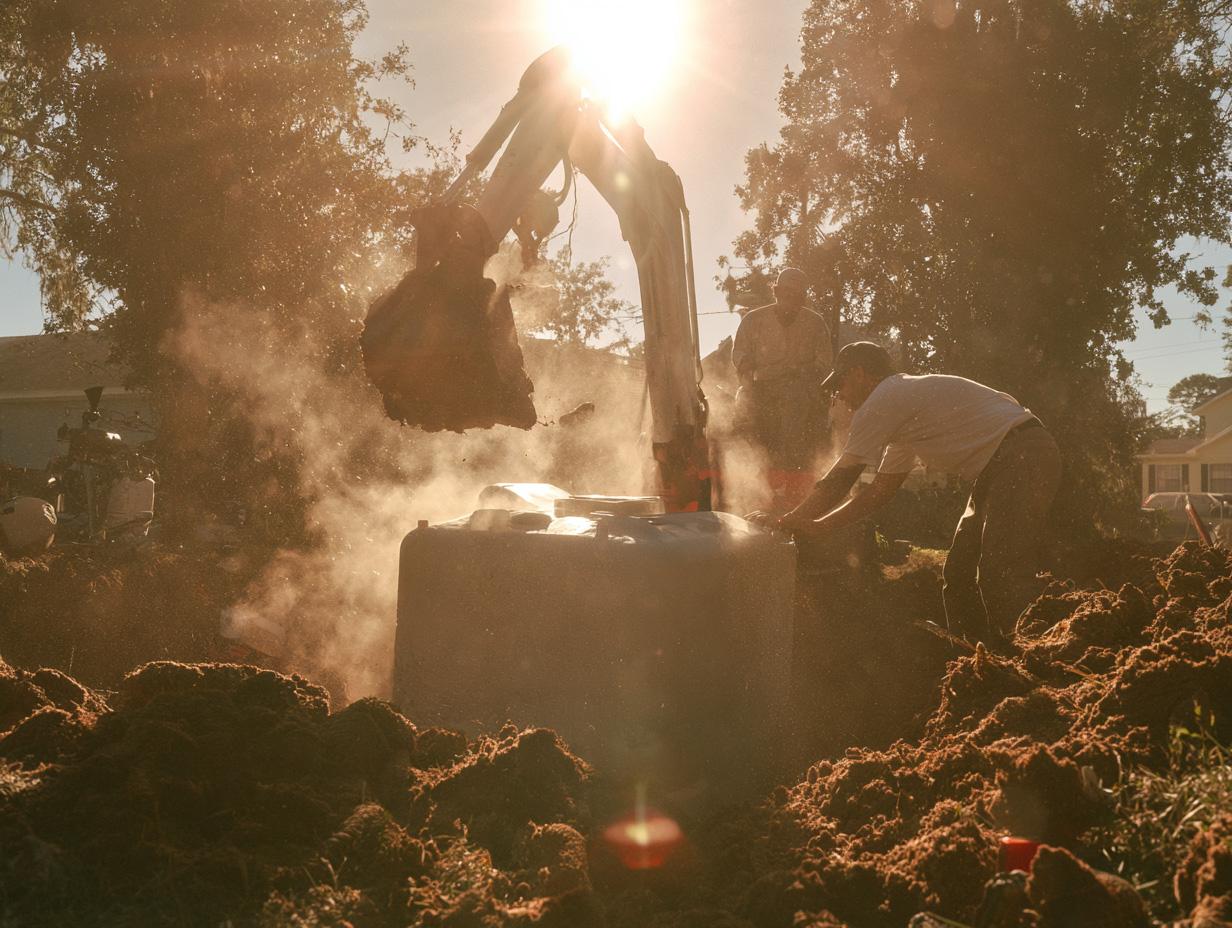
Rules for brand new systems in springs areas have been in place longer. According to DEP, under a 2023 law (House Bill 1379), new septic systems in springs BMAP areas on lots of one acre or less, where a new construction permit is required and sewer is not available, must be enhanced nitrogen-reducing systems rather than conventional ones. If you are building on a vacant lot or adding a new system, plan for this from the start, because it affects design, permitting and budget.
Our new septic installation process starts with confirming which rules apply to your lot before any design work, so there are no surprises at the permit stage.
What Counts As A Nitrogen-Reducing System
DEP recognizes three main categories of enhanced nutrient-reducing systems:
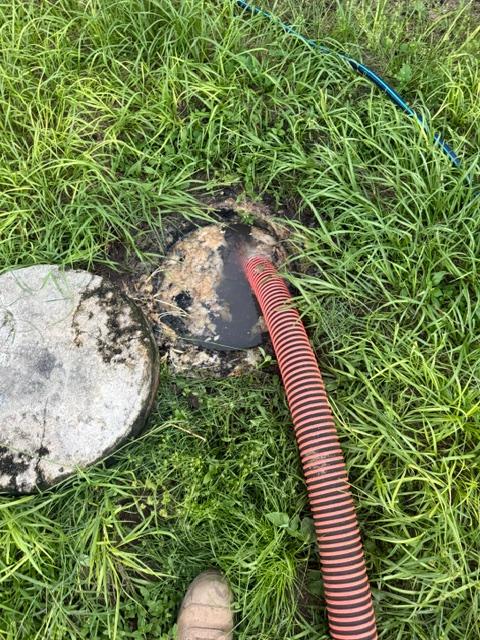
- In-ground nitrogen-reducing biofilters (INRBs). These add layers of special media, such as sand and a carbon source, beneath or alongside the drainfield so that bacteria convert nitrogen into harmless nitrogen gas. They are largely passive, with few moving parts.
- Aerobic treatment units (ATUs). Units certified to the NSF 245 standard for nitrogen reduction and approved in Florida. They use air pumps and mechanical components, so they need electricity and regular service.
- Performance-based treatment systems. Engineered systems designed to meet specific treatment standards, typically for sites with special conditions.
Each option has trade-offs in upfront cost, space on the lot, electrical needs and ongoing maintenance. The right choice depends on the property's soil, water table, lot size and layout. That is a conversation for an on-site visit, not a one-size-fits-all answer.
What This Means For Your Home
If Your System Is Working Fine
Nothing changes today. These requirements are triggered by a repair, modification or new construction permit, not by owning a conventional system. The best thing you can do is keep it healthy: pump on schedule, fix small problems early and protect the drainfield. Our guide on how often to pump a septic tank in Florida will help.
If You Are Seeing Warning Signs
Do not wait. Slow drains, gurgling, odors or wet ground over the drainfield can often be handled with a pump out or a minor fix that does not require a full system replacement. The longer a struggling system runs, the more likely a minor issue becomes a failure that needs a permit. Review the warning signs of septic failure and call for an inspection.
If You Are Buying Or Selling
Check whether the property is in a Priority Focus Area and get a real septic inspection before closing. A failing system in a PFA may carry a much higher repair cost than the same failure elsewhere. Our guide to buying a home with a septic system covers what to ask.
Is There Help With The Cost?
Sometimes. DEP notes that some counties may offer funding for upgrading existing systems, and the state has run grant programs to help homeowners in springs areas cover part of the cost of nitrogen-reducing upgrades. Availability changes from year to year, so check with the Florida Department of Health in Hernando County and DEP's springs protection resources before you commit to a project. If you are getting an estimate from us, ask and we will point you toward any program we know is currently accepting applications.
Before You Plan Septic Work
- Look up the property on DEP's Priority Focus Area map
- Find your existing permit and system records
- Get an inspection to see whether a repair permit is actually needed
- Ask whether central sewer is planned for your area
- Ask about current funding or incentive programs
- Get a written estimate that names the system type and permit requirements
Who To Call With Questions
For official answers about permits and requirements for a specific property, the Florida Department of Health in Hernando County lists its Environmental Public Health office at (352) 540-6812. For help figuring out what your system needs, what the rules mean for your property and what a compliant repair or installation would involve, call us at (352) 597-2829. We handle permitting as part of the job, so you do not have to navigate it alone.
Sources
- Florida Department of Health in Hernando County: Septic Permitting Deadline Notice
- Florida DEP: Springs BMAP Requirements for Existing and New Septic Systems
- Florida DEP: Springs BMAP Frequently Asked Questions
- UF/IFAS Extension: How Does a Septic System Work?
This article is general guidance. Septic rules vary by property, so confirm requirements for your address with the Florida Department of Health in Hernando County or a licensed septic contractor.
Written By John
John runs Johns By John, the family owned septic company in Brooksville that installs, repairs, pumps and inspects septic systems across Hernando County and the surrounding Tampa Bay area. Every article on this blog answers a question a customer has asked us on a job.
About Our Company