It is the question we hear more than any other: how often should I pump my septic tank? The U.S. Environmental Protection Agency recommends that most household tanks be pumped every three to five years, and that a professional inspect the system every one to three years. UF/IFAS Extension, the University of Florida's research and outreach program, uses the same three to five year rule of thumb for Florida homes.
That range is a good starting point, but it is a range for a reason. A retired couple in a three bedroom home in Brooksville and a family of six in Spring Hill with a garbage disposal can have very different schedules, even with the same size tank. Here is what actually decides it.
Why Septic Tanks Need Pumping At All
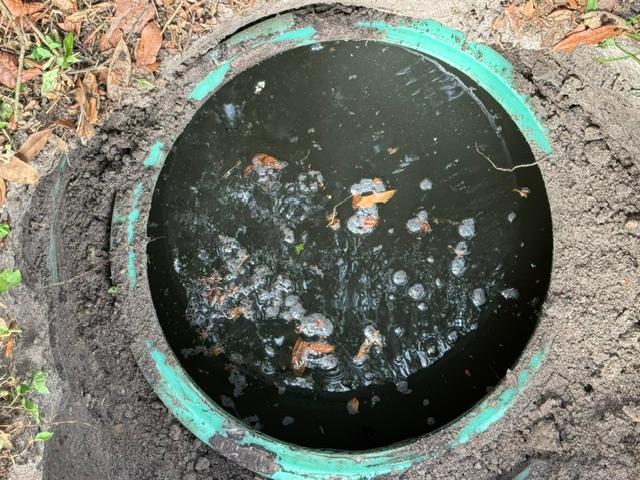
A septic tank is a settling chamber. Wastewater from the house separates into three layers: sludge on the bottom, scum floating on top, and liquid effluent in between. Bacteria in the tank break down some of the solids, but not all of them. The rest accumulates, a little every day, for as long as the house is occupied.
Only the middle layer is supposed to leave the tank. As sludge and scum build up, the space for that clear layer shrinks. Wastewater moves through faster and settles less, and eventually solids start escaping through the outlet into the drainfield. The EPA's rule of thumb is to pump when solids fill about two thirds of the tank. Wait longer than that and the drainfield soil begins to clog, and a clogged drainfield cannot be fixed with a pump truck.
The Five Things That Change Your Schedule
1. How Many People Live In The House
This is the biggest factor. More people means more solids going into the same size tank, which means it fills faster. If your household has grown since the last pump out, whether that is a new baby, a parent moving in or grown kids moving back, your schedule should tighten.
2. The Size Of Your Tank
Tanks are sized to the house when the system is permitted, generally based on the number of bedrooms. A larger tank holds more solids before it needs attention. If you do not know your tank size, the original permit on file with the county health department usually lists it, and we can confirm it when we open the lids.
3. Your Garbage Disposal
Garbage disposals send a steady stream of food solids into the tank that bacteria break down slowly. UF/IFAS advises limiting disposal use for exactly this reason. If you use one daily, expect to pump more often than a household that scrapes plates into the trash or a compost bin.
4. How Much Water You Use
Every gallon that goes down a drain passes through the tank. Heavy water use pushes wastewater through faster, so solids have less time to settle and are more likely to be carried toward the outlet. Leaky toilets, long showers and several loads of laundry in a single day all add up. Spreading laundry across the week is one of the easiest ways to take pressure off a system.
5. What Goes Down The Drain
Wipes, paper towels, feminine products, grease and cooking oil do not break down in a tank. They add to the scum and sludge layers and can block the outlet. Harsh cleaners and medications poured down drains can also reduce the bacteria that keep solids in check. A tank that receives only wastewater and toilet paper will go much longer between pump outs.
What Is Different About Florida Systems
Septic is a big deal in this state. UF/IFAS estimates that about 30 percent of Floridians, roughly 7 million people, rely on septic systems. A few local conditions make regular maintenance especially important here:
- A high summer water table. Florida rules require the bottom of a drainfield to sit at least 24 inches above the wet season high water table. During rainy season that buffer shrinks, and a drainfield that is already struggling with solids has even less room to work.
- Sandy soils and the aquifer below. Much of Hernando County drains quickly toward the Floridan Aquifer, the same water that feeds our wells and springs. A well-maintained system protects it.
- Springs protection rules. Parts of the county fall inside springs protection areas, where a failed system can trigger stricter, more costly repair requirements. We cover the details in our guide to Hernando County septic rules.
- Older systems. Many homes in this area were built decades ago, and older systems often have smaller tanks and fewer protections like outlet filters.
Signs Your Tank Is Overdue
If you are not sure when the tank was last pumped, these signs suggest it is past due:
Your Tank May Be Overdue If
- Drains throughout the house are slow at the same time
- Pipes gurgle when toilets flush or the washer drains
- You notice sewage odors near the tank or drainfield
- Grass over the drainfield is greener or wetter than the rest of the yard
- Water backs up into a shower or ground floor toilet
- It has been more than three to five years, or you have no records at all
Any of these is reason enough to schedule a pump out and inspection.
For a deeper look at each symptom and how urgent it is, read our guide to the warning signs of septic system failure.
What Happens During A Pump Out
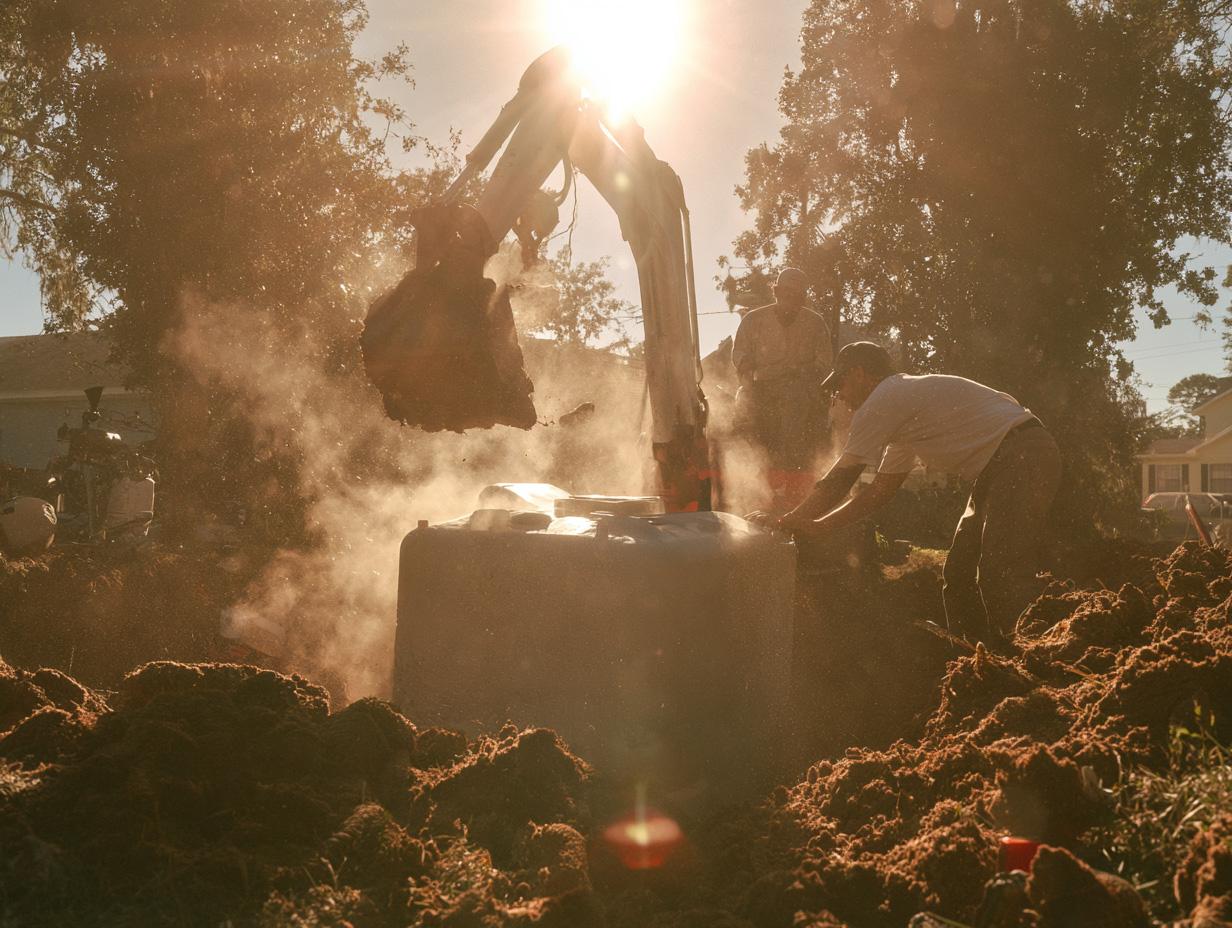
A proper septic pumping and maintenance visit is more than sticking a hose in the tank. Here is what you should expect from any contractor:
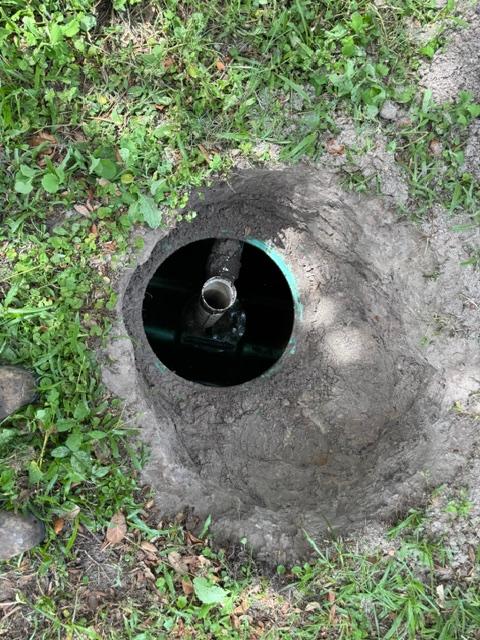
- 1Locate and uncover the lids. Most tanks have one or two compartments, and each needs to be opened. Risers save digging on every future visit.
- 2Measure the layers. Checking sludge and scum depth before pumping tells us how fast your tank fills, which is how we set your next date.
- 3Pump every compartment completely. Both the solids and the liquid come out, not just the top layer.
- 4Inspect the tank. With it empty we can see the inlet and outlet baffles, look for cracks and check for signs of roots or groundwater getting in.
- 5Clean the outlet filter, if you have one. A clogged filter causes the same backup symptoms as a full tank.
- 6Note anything that needs attention and reseal the lids. You should get a written record of what was found.
Keep the receipt. A dated record of every pump out is the first thing a buyer, an inspector or the next contractor will ask for.
Three Pumping Myths We Hear All The Time
Myth: If nothing is wrong, I do not need to pump. By the time you notice a problem, solids may already be in the drainfield. Pumping on schedule is what keeps nothing wrong.
Myth: Additives mean I can pump less often. Additives do not remove solids. University extension guidance, including from Oregon State University, concludes that additives are unnecessary because a working tank already contains the bacteria it needs, and that some can interfere with the natural breakdown process. The only way to remove sludge is to pump it out.
Myth: Pumping fixes a failing drainfield. Pumping can relieve symptoms for a few days, but if the drainfield soil is clogged or saturated, the problem comes right back. That calls for a proper inspection and, often, a repair.
How To Build Your Own Pumping Schedule
- 1Find your last pump out date. Check your records, ask the previous owner or call the company that did it.
- 2If you have no records, pump now. It resets the clock and gives you a baseline measurement.
- 3Ask for sludge and scum measurements. Those numbers show how fast your household fills the tank.
- 4Set your next date from that rate, usually somewhere in the three to five year range, sooner for larger households or heavy disposal use.
- 5Revisit the schedule when life changes, such as more people in the house, a new disposal or a home business that uses more water.
If you want someone to keep track for you, ask about a maintenance plan. We will remind you when the tank is due, so the schedule does not depend on anyone's memory.
Sources
- U.S. EPA: Resolving Septic System Malfunctions
- UF/IFAS Extension: How Does a Septic System Work?
- Oregon State University: Septic System Additives, More Harm Than Help
This article is general guidance. Septic rules vary by property, so confirm requirements for your address with the Florida Department of Health in Hernando County or a licensed septic contractor.
Written By John
John runs Johns By John, the family owned septic company in Brooksville that installs, repairs, pumps and inspects septic systems across Hernando County and the surrounding Tampa Bay area. Every article on this blog answers a question a customer has asked us on a job.
About Our Company