A septic system is easy to overlook when you are buying a house. You cannot see it, the listing probably says little more than "septic," and the general home inspector likely ran the faucets, flushed the toilets and moved on. But replacing a failed drainfield can be one of the largest repair bills a homeowner ever faces, and in parts of Hernando County the rules for repairs have recently become stricter.
We do real estate septic inspections for buyers, sellers and agents across Hernando County and the surrounding area. This guide explains what a proper septic inspection includes, what to ask before you make an offer, and the red flags that should change your negotiation.
Why Your Home Inspection Probably Does Not Cover It
Most general home inspectors are not septic contractors and do not open the tank. Running water through the house for twenty minutes tells you very little about a system that is designed to handle a household's wastewater over days and weeks. A tank can be nearly full, a baffle can be missing, or a drainfield can be on its way out, and the faucets will still drain fine during a short visit, especially if the house has been empty.
That is why we recommend a dedicated septic inspection, done by a licensed septic contractor, as a separate line item in your due diligence period. Florida does not currently have a statewide requirement for a septic inspection at the time of sale, so in most transactions it is up to the buyer to ask for one. Some lenders and loan programs request one, and it is easy to write into your contract as a contingency.
What A Real Septic Inspection Should Include
Inspections vary from company to company, so ask exactly what is included before you book. A thorough septic inspection should cover:
- Locating the tank and drainfield, and confirming they match the permit on file.
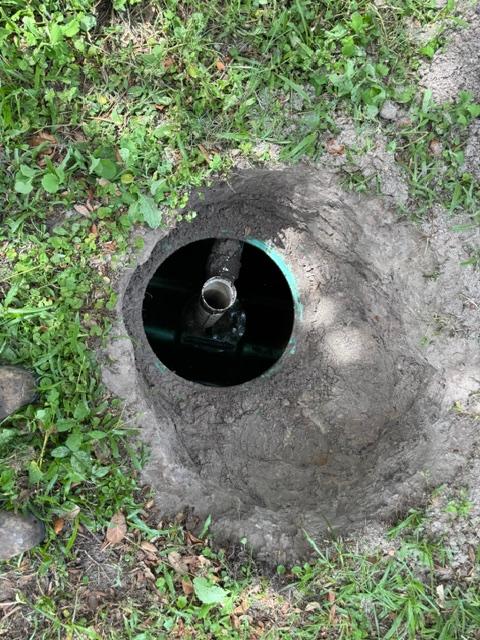
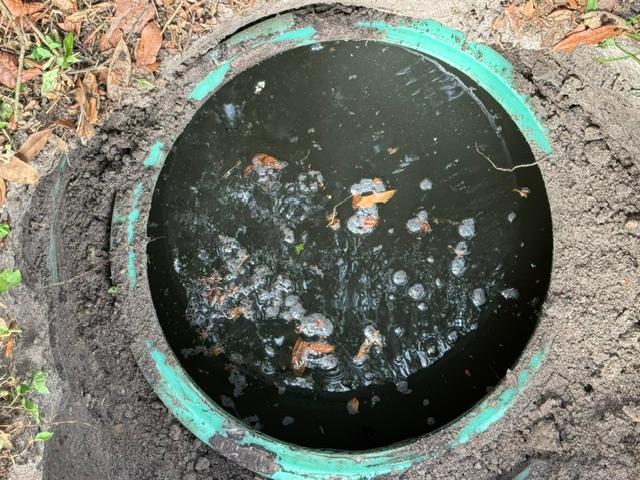
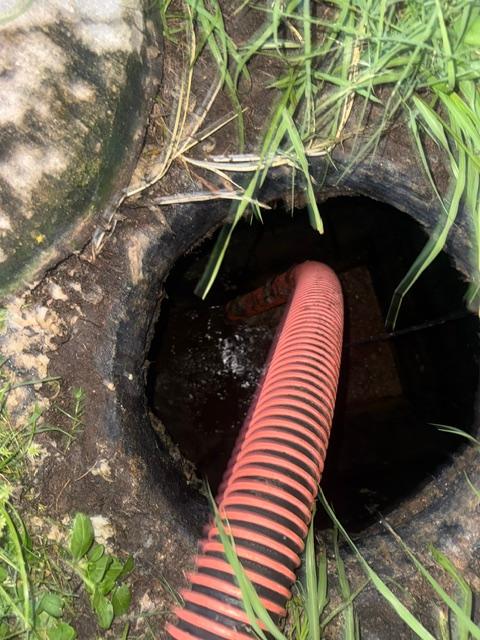
- Opening every tank compartment and measuring the sludge and scum layers.
- Checking the inlet and outlet baffles, and the outlet filter if there is one. Missing or broken baffles let solids escape into the drainfield.
- Looking at the tank's condition: cracks, root intrusion, corrosion, and signs that groundwater is leaking in.
- Checking the liquid level. A tank that is higher than its outlet, or that refills from the drainfield side when pumped, points to a drainfield that is not accepting water.
- Walking and probing the drainfield for saturated soil, surfacing effluent, odors or unusual vegetation.
- Checking pumps, alarms and control panels on systems that have them, such as lift stations, mound systems and aerobic units.
- A written report with findings, photos and recommendations you can hand to your agent.
Questions To Ask The Seller Before You Offer
A seller who has taken care of the system will usually have answers. A seller who has no idea is telling you something too. Ask your agent to get the following in writing:
- 1When was the tank last pumped, and by whom? Ask for receipts. The EPA recommends pumping most household tanks every three to five years.
- 2How old is the system, and has the drainfield ever been repaired or replaced?
- 3What type of system is it? Conventional gravity, mound, lift station or aerobic treatment unit. Advanced systems have ongoing maintenance requirements and costs.
- 4Has there ever been a backup, slow drains or wet spots in the yard?
- 5Where exactly are the tank and drainfield? You will want to know before planning a pool, fence, addition or driveway.
- 6Is there a maintenance contract in place? Some advanced systems require one, and you may need to continue it.
Pull The Permit Records
Every septic system installed or repaired in Florida should have a permit on record. Florida's onsite sewage program moved from the Department of Health to the Department of Environmental Protection on July 1, 2021, and in Hernando County the local health department's environmental health office remains the place to start. The records can show the system's design, the tank size, the drainfield location and any repair history.
Compare the records to the house you are buying. If the home has more bedrooms than the system was permitted for, or an addition was built over part of the drainfield, that is worth knowing before you close, not after.
Red Flags That Should Change Your Offer
Talk To Your Agent If You See
- No pumping records and no idea when it was last serviced
- Soggy ground, standing water or a strong odor over the drainfield
- A liquid level above the tank outlet, or water flowing back in when pumped
- Missing or broken baffles, or a cracked tank
- Roots in the tank or lines from nearby trees
- A system permitted for fewer bedrooms than the house now has
- Fresh sod or new fill over the drainfield right before listing
None of these automatically kills a deal. They are leverage for repairs, credits or a price adjustment.
A bad inspection is not the worst outcome. Finding out three months after closing is.
The Springs Protection Question Most Buyers Never Ask
This one is specific to our area and it matters. Parts of Hernando County fall within Priority Focus Areas of the Weeki Wachee and the Homosassa and Chassahowitzka springs Basin Management Action Plans. According to the Florida Department of Health in Hernando County, repair or modification permit applications in those areas received on or after December 15, 2025 must comply with nitrogen-reducing requirements, on all lot sizes.
In plain terms: if you buy a home in one of those areas and the septic system later fails, the repair may require an enhanced nitrogen-reducing system rather than a like-for-like fix, which typically costs considerably more. That makes the condition of the existing system even more important. Ask whether the property is inside a Priority Focus Area, and read our guide to Hernando County septic rules for the details.
What To Do With The Results
Once you have a written report, you and your agent have a few options:
- Clean report: Move forward, and file the report with your closing documents. Set a reminder for your first pump out based on the sludge measurements.
- Minor issues such as an overdue pump out, a cracked lid or a missing riser: ask the seller to fix them before closing or offer a credit.
- Major issues such as a failing drainfield or broken tank: get a written repair estimate and use it to negotiate, or walk away if your contract allows.
Your First Year As A Septic Owner
If you have only lived on city sewer before, a few habits will protect your new system from day one:
- Flush only toilet paper and human waste. Wipes labeled flushable are not.
- Keep grease and cooking oil out of the sink, and go easy on the garbage disposal.
- Spread laundry across the week instead of doing it all in one day.
- Keep cars, trailers and heavy equipment off the tank and drainfield.
- Plant only grass over the drainfield, and keep trees well away from it.
- Point gutters and downspouts away from the drainfield.
- Keep every pump out and inspection receipt in one folder.
Our guide on how often to pump a septic tank in Florida will help you set your schedule, and our list of septic failure warning signs tells you what to watch for.
If you are under contract on a home with a septic system, call us early in your inspection period. We will work with your agent's timeline.
Sources
- U.S. EPA: Resolving Septic System Malfunctions
- Florida DEP: Onsite Sewage Program Transfer
- Florida Department of Health in Hernando County: Septic Permitting Deadline Notice
- Florida DEP: Springs BMAP Requirements for Existing and New Septic Systems
This article is general guidance. Septic rules vary by property, so confirm requirements for your address with the Florida Department of Health in Hernando County or a licensed septic contractor.
Written By John
John runs Johns By John, the family owned septic company in Brooksville that installs, repairs, pumps and inspects septic systems across Hernando County and the surrounding Tampa Bay area. Every article on this blog answers a question a customer has asked us on a job.
About Our Company