Most of the emergency calls we take could have been a routine visit a month earlier. The system was telling the homeowner something. It just was not obvious what. Septic problems are easy to miss because the whole system is buried, and by the time sewage is on the bathroom floor, the cheap options are usually gone.
This guide walks through the seven signs of septic system failure we see most often on jobs around Brooksville, Spring Hill and the rest of Hernando County. They line up closely with the warning signs the U.S. Environmental Protection Agency lists for homeowners. For each one, we will tell you what is usually going on underground and how urgent it is.
First, A 60-Second Look At How Your System Works
Every drain in the house runs to one buried tank. Inside the tank, wastewater separates into three layers. Heavy solids sink and form sludge on the bottom. Fats, oils and lighter material float and form a scum layer on top. The relatively clear liquid in the middle, called effluent, flows out to the drainfield, a network of perforated pipe or chambers set in the soil. The soil does most of the actual treatment, filtering out bacteria before the water reaches groundwater.
That is why almost every failure comes back to one of three things: the tank is too full of solids, something is physically blocked or broken, or the drainfield soil can no longer absorb water. The signs below are how each of those problems shows up from above ground.
1. Every Drain In The House Is Slow
One slow sink is almost always a clog in that sink's trap or branch line. When the tub, the toilets and the kitchen sink all drain slowly at the same time, the problem is downstream of the house. The usual causes are a tank that is overdue for pumping, a blocked outlet baffle or filter, or a drainfield that is starting to saturate.
How urgent: Book a visit within a week or two. A slow whole-house drain is an early warning, which makes it the best kind to catch. If the tank simply needs pumping, that is a routine job. Waiting until it backs up is not.
2. Gurgling Pipes After You Flush Or Run Water
That gurgle is air being pushed back up through the plumbing because water cannot leave fast enough. You will often hear it in a tub or sink drain right after a toilet flushes or the washing machine empties. It can also point to a blocked plumbing vent on the roof, which is a plumbing issue rather than a septic one, so it is worth ruling out.
How urgent: Not an emergency on its own, but do not ignore it. Gurgling paired with slow drains is a strong sign the tank or outlet needs attention.
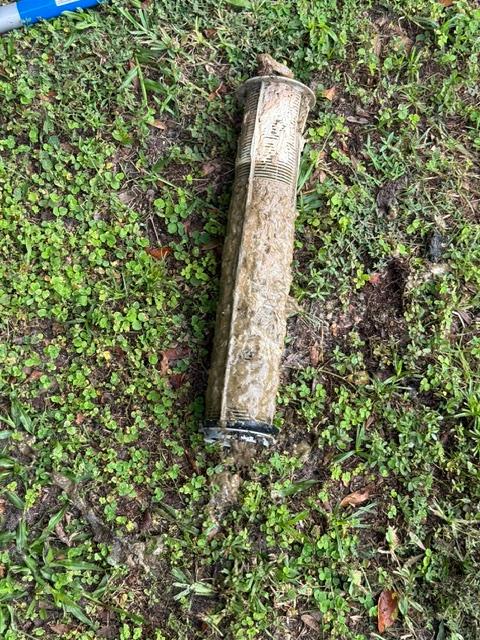
3. A Patch Of Grass That Is Too Green
If the lawn over your drainfield or tank is noticeably greener and thicker than the rest of the yard, especially during a dry stretch, effluent may be rising toward the surface instead of soaking down through the soil. Wastewater is full of nutrients, and grass loves it. A faint green stripe pattern that matches the layout of your drain lines is a classic early sign.
How urgent: Schedule an inspection soon. On its own it does not mean the drainfield has failed, but it does mean it is working harder than it should.
4. Soggy Ground Or Standing Water Over The System
Spongy soil, puddles or a wet spot that never seems to dry out above the tank or drainfield is the louder version of sign three. Effluent is reaching the surface. Besides being a sign of failure, surfacing wastewater is a health hazard for kids and pets, so keep everyone off the area until it is checked.
How urgent: Call this week. Florida rules require the bottom of a drainfield to sit at least 24 inches above the wet season high water table, according to UF/IFAS Extension, because the soil has to be unsaturated to treat wastewater. When the ground over the system stays wet, that treatment is not happening.
5. Sewage Odors Inside Or Outside The House
A faint smell near the tank lid on a hot, still afternoon can be normal. A persistent rotten egg or sewer odor in the yard, or any sewer smell inside the house, means gas is escaping where it should not. Outside, it often points to a full tank, a cracked lid or riser, or effluent near the surface. Inside, it can be a dry floor drain trap or a plumbing vent problem, so start by running water in rarely used drains.
How urgent: If the smell is strong, constant or getting worse, book a visit. If it comes with any of the other signs on this list, treat it as a priority.
6. Water Backing Up Into The Lowest Drain
Wastewater follows gravity, so a backup shows up first in the lowest fixture in the house, usually a shower drain or a ground floor toilet. You might notice dirty water rising in the shower when the washer drains, or a toilet that refills slowly and bubbles. This is the sign that does not wait.
If it is coming up into the house, turn off the water and call us. Everything else on this list can wait an hour. That cannot.
How urgent: Call now. Stop running water, do not flush, and keep people away from the affected area. The EPA advises avoiding contact with sewage that has backed up into a home. Our emergency septic service line is answered around the clock.
7. You Cannot Remember The Last Pump Out
No symptoms at all can still be a warning. Sludge builds up slowly and silently. The EPA recommends pumping most household tanks every three to five years, and once solids rise high enough to reach the outlet, they wash into the drainfield and clog the soil. That is the expensive part of the system to replace, and it can fail without much notice once it starts.
How urgent: If it has been more than three years, or you bought the house and have no records, schedule a pump out and inspection. It is the cheapest insurance a septic owner can buy. Our guide on how often to pump a septic tank in Florida covers the timing in detail.
Quick Self Check
- More than one drain is slow at the same time
- Pipes gurgle after a flush or when the washer drains
- Wet, spongy or extra green ground over the tank or drainfield
- Sewer odor in the yard or inside the house
- Water rising in a shower or low toilet
- No record of a pump out in the last three to five years
Checked two or more? Book an inspection before it becomes an emergency.
What Usually Causes These Problems
In our experience, most septic trouble in this area traces back to a short list of causes:
- Skipped pumping. Solids overflow into the drainfield and seal the soil.
- Too much water at once. Several loads of laundry in one day can flood a tank faster than the drainfield can absorb it. Spreading laundry across the week helps.
- The wrong things down the drain. Wipes labeled flushable, grease, paper towels and harsh chemicals cause most of the clogs we pull out.
- Roots. Trees and shrubs planted too close send roots into pipes and joints looking for water.
- Weight on the system. Driving or parking over the tank or drainfield can crack pipes and compact the soil.
- Age. Older systems were often installed to less demanding standards and simply wear out.
What To Do If You Spot A Warning Sign
- 1Cut back on water use. Hold off on laundry and long showers and fix any running toilets.
- 2Write down what you are seeing. Note which drains, when it started and whether it is getting worse. Photos of wet spots help.
- 3Do not pour in additives or drain cleaners. They will not fix a full tank or a saturated drainfield, and harsh chemicals can kill the bacteria the tank depends on.
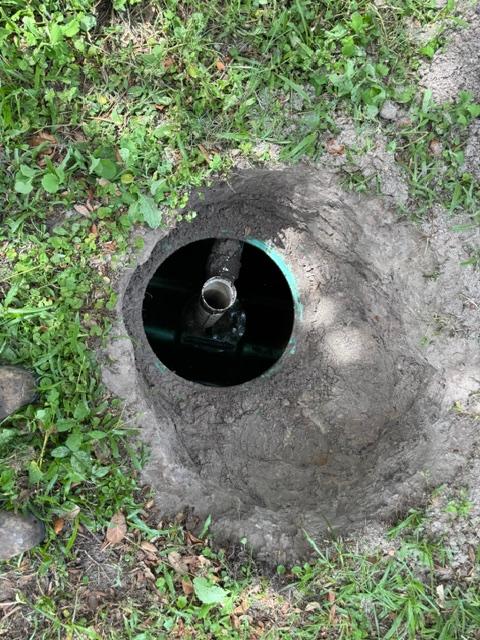
- 4Find your tank lids if you can. Knowing where they are saves time and digging.
- 5Call a licensed septic contractor. A proper septic inspection will tell you whether you need a pump out, a repair or nothing at all.
One local note: parts of Hernando County sit inside springs protection areas, and since December 15, 2025, some repair permits there require a nitrogen-reducing system rather than a like-for-like fix. We explain what that means in our guide to Hernando County septic rules. It is one more reason to catch problems while a pump out can still solve them.
Write down what you are seeing and give us a call. We will tell you honestly whether it needs a visit this week, a pump out next month, or nothing at all.
Sources
- U.S. EPA: Resolving Septic System Malfunctions
- UF/IFAS Extension: How Does a Septic System Work?
- Florida DEP: Onsite Sewage Program
This article is general guidance. Septic rules vary by property, so confirm requirements for your address with the Florida Department of Health in Hernando County or a licensed septic contractor.
Written By John
John runs Johns By John, the family owned septic company in Brooksville that installs, repairs, pumps and inspects septic systems across Hernando County and the surrounding Tampa Bay area. Every article on this blog answers a question a customer has asked us on a job.
About Our Company